The complex maritime tensions in the Gulf escalated dramatically Monday, as the United States conducted airstrikes against Iranian fast boats in the Strait of Hormuz. This military action coincided with an Iranian assault on a key oil facility in the United Arab Emirates, further raising alarms about the stability of one of the world's most vital shipping routes.
According to reports from the shipping giant Maersk, one of its US-flagged commercial vessels successfully navigated away from the blocked waters of the Strait under the protection of US military forces. This passage was part of an operation touted by President Donald Trump as "Project Freedom," aimed at ensuring safe transit for vessels in the volatile Gulf region.
Amid rising tensions, Iranian officials vehemently refuted Trump's claims, asserting that the US had not targeted fast boats but rather struck two cargo vessels, resulting in civilian casualties. The Iranian Foreign Minister, Abbas Araghchi, labeled the US actions as not only misguided but indicative of a failed military strategy in addressing a political crisis, declaring, "Project Freedom is Project Deadlock."
The backdrop to this confrontation has been an ongoing military blockade since US and Israeli airstrikes against Iranian positions began in February. In recent months, the Strait of Hormuz, through which approximately 20% of the world’s oil and liquefied natural gas transits, has seen increased instability, with claims of both US and Iranian military assets asserting dominance over the waterway.
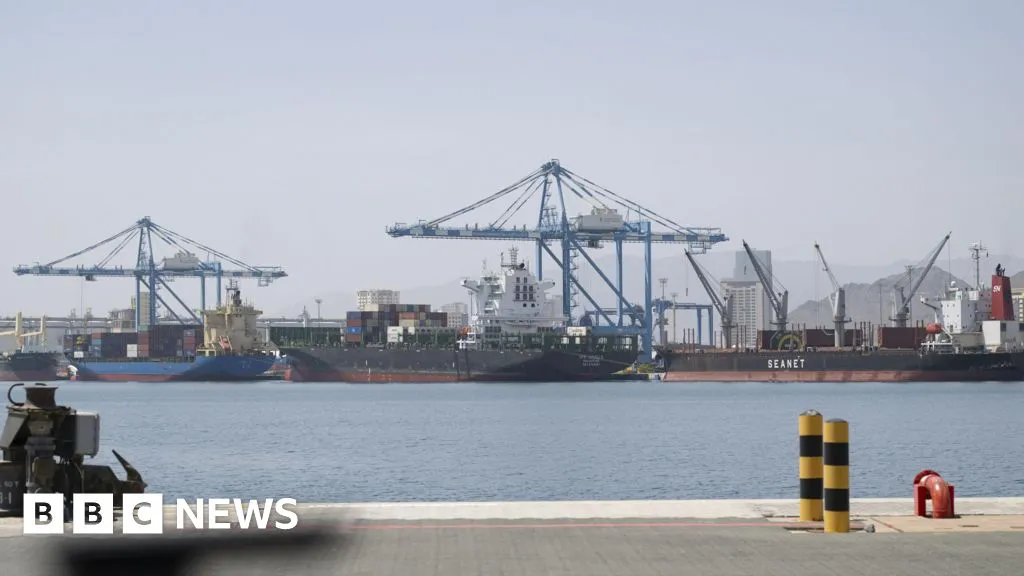
Following reports of the Iranian attack, which led to a significant fire at the UAE's Fujairah oil port, the geopolitical ramifications were immediate. International leaders rallied against the aggression, with French President Emmanuel Macron calling the attacks "unjustified and unacceptable" and British Prime Minister Sir Keir Starmer reaffirming the UK's commitment to supporting Gulf partners. On the ground, tensions heightened as the UAE reported engaged air defenses against missile assaults targeting its critical infrastructure.
In reaction to the escalating situation, Brent crude prices surged above $115 per barrel, reflecting immediate market concerns regarding the region's energy security. Experts warn that without de-escalation, further clashes might occur, destabilizing a crucial economic corridor.
As diplomatic efforts hang in the balance, Iran's representatives have attempted to quell fears by stating they harbor no intentions of targeting the UAE, framing the recent actions as defensive rather than aggressive. The region remains on high alert, caught between the complexities of international diplomacy and the ever-looming specter of military confrontation.
For many, the events unfolding in the Gulf serve as a stark reminder of the delicate balance of power in a region that holds profound significance for global energy markets.
Source: BBC News - Business