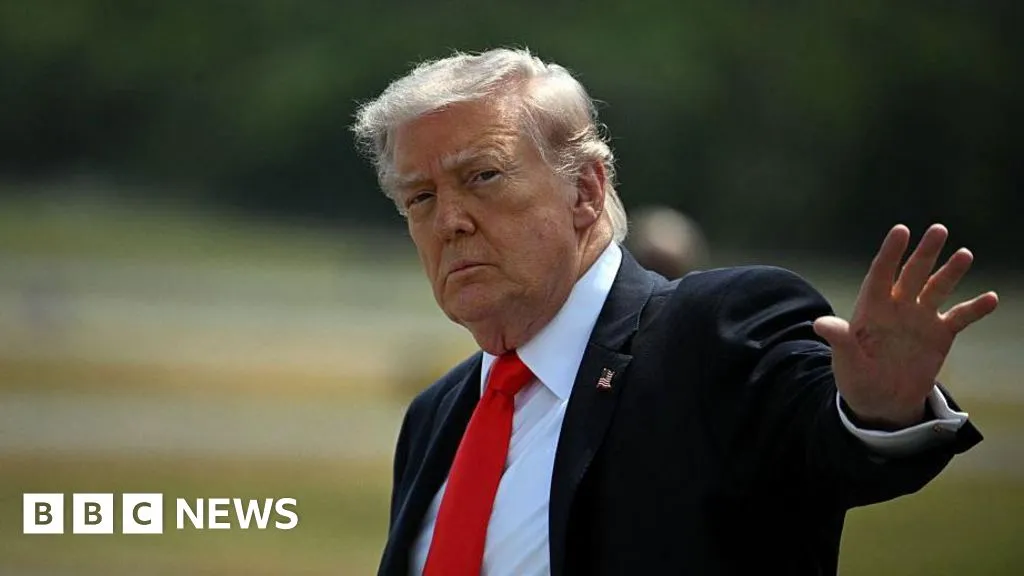
The United States Central Command (Centcom) has categorically denied Iranian claims that a U.S. Navy warship was struck by missiles while attempting to navigate the strategic Strait of Hormuz. This denial comes in the wake of reports from Fars, a semi-official Iranian news agency, alleging that two missiles targeted a U.S. vessel after it reportedly ignored warnings from Iran's naval forces.
In an official statement, Centcom affirmed, "No U.S. Navy ships have been struck," emphasizing that American forces are actively enforcing a blockade on Iranian ports. This military posture escalates tensions in a region already fraught with uncertainty as Iran has threatened to attack foreign vessels that enter the strait, particularly those associated with the U.S.
The Growing Maritime Crisis
Approximately 2,000 ships are currently trapped in the Strait of Hormuz due to Iran's closure of this crucial maritime route, which is vital for oil exports. The blockade has exacerbated global fuel prices and raised alarms regarding the welfare of nearly 20,000 sailors stuck in limbo.
During a press conference, Iranian military officials reiterated their stance of deterrence, asserting that a warning shot was fired to prevent the U.S. warship's entry. The situation is all the more complicated as U.S. President Donald Trump announced the initiation of "Project Freedom," aimed at guiding stranded merchant vessels back to safety.
International Repercussions
In his announcement, Trump characterized the operation as a humanitarian effort, pledging that any interference from Iranian forces would be met with a decisive response. The operation involves 15,000 U.S. service personnel, guided-missile destroyers, and over 100 aircraft, reinforcing America's military presence in the Gulf.
Despite this move, a senior Iranian official cautioned that any U.S. action in the Strait could be construed as a violation of a temporary ceasefire established on April 8. This fragile cessation of hostilities is underscored by Iran's ongoing negotiations for a more permanent peace deal, amid reports of positive dialogues between the U.S. and Iranian representatives.
Further stoking these tensions, the United Kingdom Maritime Trade Operations (UKMTO) reported an unidentified projectile striking a tanker in the strait, although the crew remained unharmed. As the world watches closely, the geopolitical ramifications of these developments continue to unfold.
Diplomatic Winds Shifting
Complicating matters further, recent developments indicate that Iran has received a U.S. response to its latest peace proposal. Delivered through Pakistan, this communication asks for a reduction in hostilities and a focus on reaching an agreement within 30 days. However, Trump has reportedly deemed this proposal unacceptable, thereby prolonging the cycle of mistrust.
As global leaders grapple with the implications of this maritime blockade, the stakes for oil-exporting nations and international shipping remain perilously high. The scenario underscores the precariousness of the strait, where about 20% of the world’s oil traverses, and the potential for escalating military conflict in a region long plagued by instability.
As tensions simmer and diplomatic channels remain fraught, analysts caution that the situation in the Strait of Hormuz is one to watch closely, with global implications hanging in the balance.
Source: BBC News
Source: BBC News - Business