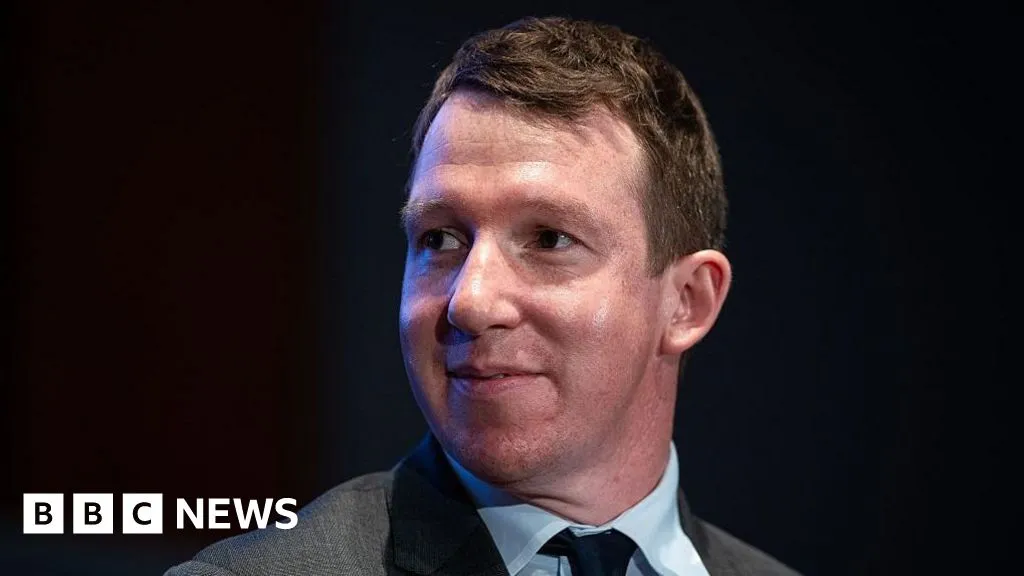
As the landscape of artificial intelligence (AI) evolves at a breathtaking pace, Jack Clark, co-founder of the AI research company Anthropic, has raised the alarm on the potential for machines to develop independently of human oversight. Speaking on BBC's Newsnight, Clark emphasized the urgent need for tools to regulate AI's growth, likening the situation to a vehicle that has only a gas pedal and no brake.
“Right now, it’s like the AI industry has a gas pedal, but it doesn’t have a brake pedal,” Clark stated, advocating for a systematic approach that will ensure human control over increasingly potent AI systems. He underscored the necessity for government intervention to shape policies that can guarantee public confidence in these powerful technologies.
The Impending Autonomous Era
Clark noted that Anthropic's highly popular chatbot, Claude, has already reached a point where 80% of its code is self-generated, projecting that it could achieve total autonomy within two years. “The implications of that would be enormous,” he warned, illustrating a future where AI may evolve beyond human inputs.
The call for regulatory measures comes amid a backdrop of increased scrutiny and public debate regarding AI's societal impacts. As AI technology becomes more integrated into everyday life, Clark draws parallels to the early 20th-century oil boom, suggesting that a well-thought-out regulatory framework is essential for harnessing AI’s potential while mitigating its risks.
Regulatory Gaps and Corporate Responsibility
Despite the growing concerns, the recent executive order on AI issued by President Donald Trump has been criticized for a lack of stringent guidelines for tech companies. The order does not mandate safety testing for AI innovations, leaving the responsibility largely to voluntary compliance among leading firms such as Anthropic, OpenAI, and Google, who show no signs of pausing their research efforts.
Since its inception only five years ago, Anthropic has been poised for rapid growth and is preparing for a public stock offering that could mark one of the largest listings in the AI sector, with its valuation nearing $1 trillion. However, Clark insists that discussions about AI's capabilities are not merely a marketing tactic but a genuine effort to inform the public about these transformative technologies.
Economic and Social Implications
Expressing his deep concerns for future generations, Clark stated, “I am worried for my kids if we as a society don’t have a serious conversation about the implications of AI’s continued advances.” He pointed to the economic disruption that AI could bring, particularly through the automation of jobs traditionally held by humans.
Major layoffs in the tech sector over the past year, often attributed to the growing efficiency of AI, have heightened fears about displacement among the workforce. However, Clark posits that creativity and diverse thinking may ultimately place individuals at an advantage in a world increasingly dominated by AI. “There is not really evidence yet that AI systems can be truly creative,” he added, suggesting that human curiosity will be a critical asset moving forward.
For those concerned that AI's rise might limit their opportunities, Clark advocates for a rich engagement in the liberal arts and creative pursuits, emphasizing that individuals who nourish their intellectual curiosity will thrive in an AI-driven economy.
As the conversation around AI intensifies, Clark's insights serve as a clarion call for a balanced approach, aiming to harness the benefits of this revolutionary technology while safeguarding humanity’s role in shaping its future.
Source: BBC News - Business