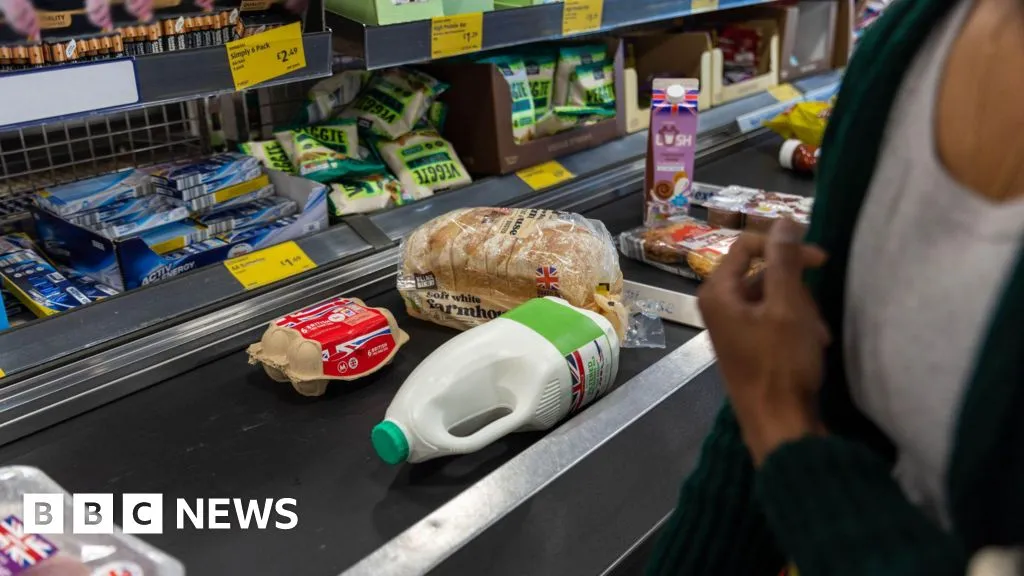
The UK government is initiating discussions with supermarkets, urging them to implement voluntary limits on food prices as families grapple with escalating costs for essential items such as eggs, bread, and milk. This move comes amid rising inflation and aims to ease the financial strain on consumers amidst a turbulent economic landscape.
According to sources familiar with the negotiations, the Treasury has proposed that retailers freeze prices on key grocery items in exchange for relaxed regulations, including potential delays in forthcoming food packaging rules. Such a policy, however, is contentious, with significant opposition from the British Retail Consortium (BRC), which represents major retailers. The BRC has criticized the initiative as reminiscent of outdated 1970s price control measures.
“Implementing these price limits would compel retailers to sell products at a loss, severely impacting their margins,” warned BRC Chief Executive Helen Dickinson. Meanwhile, a Treasury spokesperson indicated that further details of the initiative would be forthcoming, emphasizing the government’s commitment to assist families in managing their budgets: “We want to do more to help keep costs down for families.”
The proposals, which were first reported by the Financial Times, follow a similar commitment by the Scottish National Party (SNP) to introduce binding price caps in Scotland. However, this approach is less flexible, leading some to question the efficacy of the proposed voluntary measures in England and Wales.
Reactions from the retail sector have been mixed, with some describing the government’s request as a desperate maneuver. One retailer lamented, “Instead of imposing these burdens, the government should reconsider its tax policies so that prices can naturally stabilize.” The current food price inflation rate stands at 3.7%, while consumer inflation sits at 3.3%. Concerns from various industry groups suggest that food price increases could potentially reach 10% by year-end.
The surge in prices can be partly attributed to escalating input costs, including a spike in fertilizer and animal feed prices due to geopolitical tensions stemming from the ongoing US-Israel war with Iran. This conflict has obstructed critical supply routes through the Strait of Hormuz, further straining food supply chains.
Industry stakeholders remain vigilant, with Dickinson noting that “intense competition among supermarkets has historically contributed to keeping prices low.” Nevertheless, the ongoing economic pressures from both global conflicts and domestic policies pose significant challenges for the sector.
As the government navigates these complex issues, the impact of their proposed policies will be closely scrutinized by both the retail industry and consumers alike.
Source: BBC News
Source: BBC News - Business