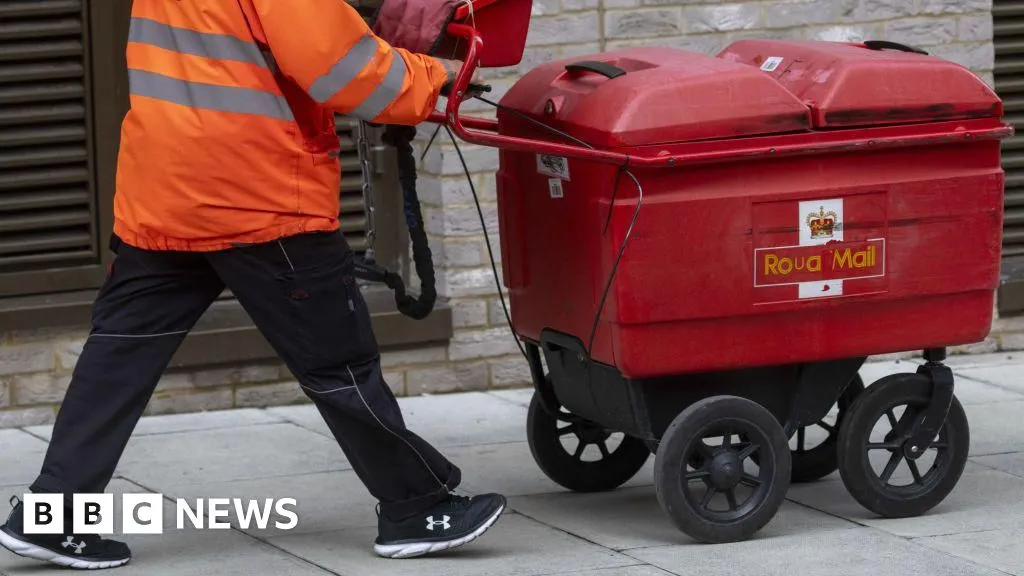
In a stark reflection of ongoing challenges, Royal Mail announced that only 75.7% of first class mail was delivered on time in the past year, falling significantly short of the regulatory target of 93%. This alarming statistic has drawn the ire of Ofcom, the UK’s communications regulator, which has expressed deep concern over the postal service's reliability.
The latest quality-of-service report, released as Royal Mail operates under the ownership of Daniel Kretinsky's EP Group, showcases a slight deterioration from the previous year's performance, when 76.9% of first class letters arrived on schedule. As the pressure mounts, Ofcom is reportedly preparing to initiate an inquiry into Royal Mail's adherence to service standards.
Corporate Commitment to Improvement
Despite the disappointing figures, Royal Mail maintains that it is on a trajectory of improvement. The company has pledged to meet revised targets of 90% for first class and 95% for second class delivery by next year. Chief Operating Officer Jamie Stephenson emphasized, "We are investing significantly in enhancing reliability and achieving these new benchmarks, though real change across such a vast network takes time." To this end, Royal Mail plans to inject £500 million into its operations over the next five years.
Regulatory Scrutiny Intensifies
Ofcom's anxiety regarding Royal Mail's performance is palpable, having previously slapped the postal service with a £21 million fine last October for failing to hit delivery targets. This marked the third largest penalty ever levied by the regulator. To illustrate the gravity of the situation, the most recent reports indicate that only 90.2% of second class mail was delivered within the stipulated three working days, against a target of 98.5%. Notably, it has been a decade since Royal Mail achieved its targets for first class mail, with the service's quality deteriorating further during the pandemic.
Public Sentiment and Political Pressure
As criticisms mount, Citizens Advice's policy director, Tom MacInnes, condemned the performance as "business as usual," lamenting that customers would face prolonged waits before even the reduced targets are met. Additionally, recent reports from postal workers have surfaced, suggesting mail items can languish undelivered for weeks while more profitable parcel deliveries take precedence.
During a parliamentary select committee meeting earlier this year, Kretinsky apologized for service delays, asserting, "I have never heard any instruction or discussion that would sanction prioritization of parcels over letters." This assertion comes amid increasing scrutiny and demands for accountability from both the public and lawmakers.
Strategic Changes and Future Outlook
In an effort to rectify its service shortcomings, Royal Mail has offered part-time workers opportunities to increase their hours and entered into an agreement with Ofcom to eliminate second class Saturday deliveries. These measures are part of a broader strategy designed to enhance operational efficiency while navigating a changing market landscape.
As Royal Mail grapples with the fallout of ongoing delivery issues, its reputation hangs in the balance, with customers and regulators alike anxiously awaiting tangible improvements in its service.
Source: BBC News
Source: BBC News - Business