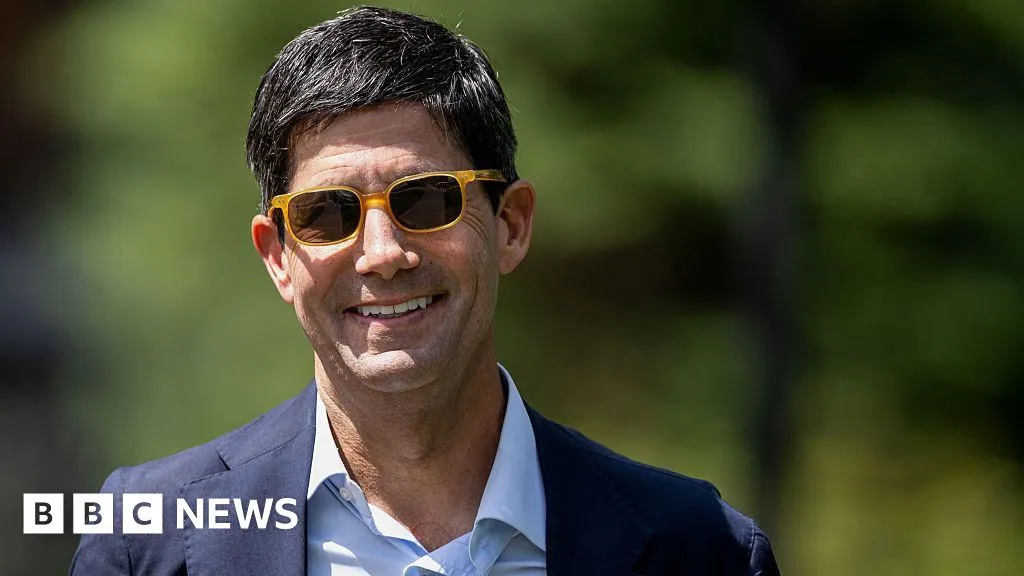
In a contentious political landscape, Kevin Warsh has been confirmed as the new chair of the Federal Reserve, achieving approval by the slimmest margin since the Senate began reviewing nominees for the role in 1977. The vote, concluded on Wednesday, saw 54 senators in favor and 45 against, reflecting a largely partisan divide, with only one Democrat, Pennsylvania's John Fetterman, crossing party lines to support Warsh's nomination.
Warsh's confirmation comes at a critical moment for the U.S. economy, which is grappling with a resurgence of inflation. With annual inflation soaring to 3.8% in April—the highest rate since May 2023—economic pressures are mounting amid surging energy costs exacerbated by geopolitical events, including the ongoing conflict involving Iran and Israel.
As Warsh steps into this pivotal role, he faces immense pressure from President Trump, who has consistently voiced his desire for lower interest rates to stimulate economic growth. This pressure intensifies given the backdrop of rising costs across essential sectors, including energy, food, housing, and travel.
Traditionally, when inflation rises, the Federal Reserve responds by raising or maintaining interest rates to keep prices in check. However, following the recent inflation data, many economists are speculating that rates will likely remain stable until next year, with some even surmising a potential hike could be on the horizon.
Warsh, who previously served as a Fed governor from 2006 to 2011, had to navigate tough challenges during his confirmation hearings. He assured lawmakers that he would uphold the independence of the Federal Reserve and not become a mere “sock puppet” for Trump's economic agenda. However, skepticism remains, particularly from Democrats; Senator Elizabeth Warren suggested that Warsh is “uniquely ill-suited” for the role and fears he may prioritize political pressure over economic stability.
Experts have cautioned that Warsh is embarking on what might be described as a 'Mission Impossible.' With inflation soaring and the Federal Reserve board divided, the challenges ahead are significant. Carl Tobias, Williams Chair in Law at the University of Richmond, noted, “The final Senate vote along party lines exemplifies the increasingly politicized nature of confirmations for critical executive branch positions.”
As the confirmation moves to President Trump for final approval, the anticipated impact of Warsh’s leadership on U.S. monetary policy will be closely monitored both by lawmakers and economic analysts alike.
Source: BBC News
Source: BBC News - Business