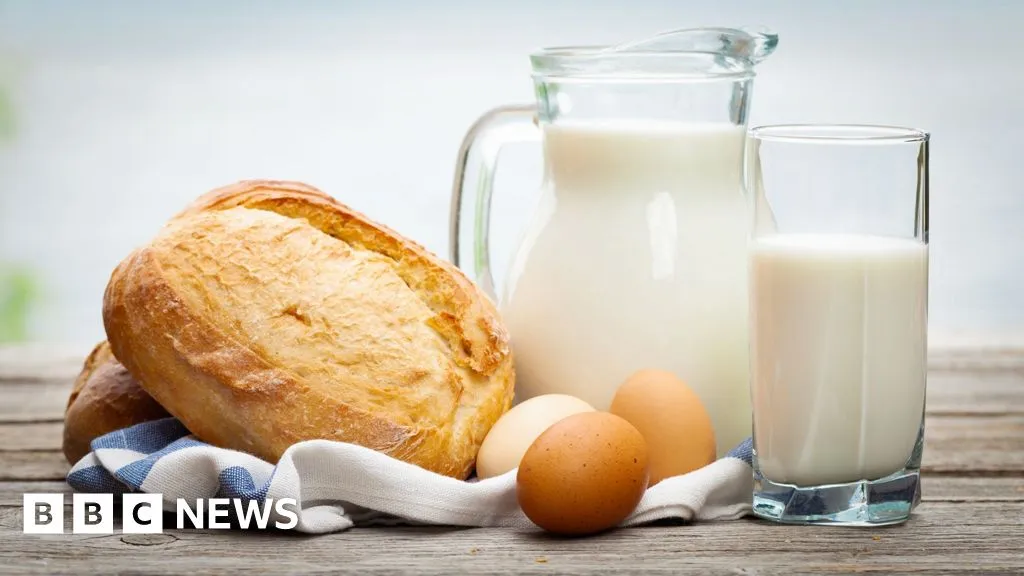
As shoppers reach for their favorite supermarket staples, the rising prices at the checkout are hard to ignore. In just a few short years, the cost of essential items, including eggs, milk, and bread, has surged, leaving many questioning the reasons behind these steep hikes and whether profit is a driving force.
The Egg Price Escalation
In 2022, a box of six free-range supermarket brand eggs cost just £1. Fast forward to today, and that same box now demands £1.80, according to market researchers Assosia who analyzed pricing across major retailers such as Tesco, Sainsbury’s, Asda, and Morrisons. This drastic increase was largely driven by the culling of millions of hens during the UK’s serious avian flu outbreak, which lasted from 2021 to 2023. The resultant shortage of laying hens, compounded by increased energy costs related to keeping birds indoors, prompted supermarkets to impose purchasing limits and raise prices to recover losses.
Grain and Energy Costs at the Core
A significant portion of egg production expenses derives from grain purchases for the hens' feed, along with heating their housing and transporting the eggs. Following Russia's full-scale invasion of Ukraine in 2022, grain prices surged due to disrupted supply chains. The ongoing conflict in the Middle East has further exacerbated energy price increases, maintaining upward pressure on food costs. Meanwhile, the appetite for eggs remains robust, buoyed by the popularity of high-protein diets.
The Rising Cost of Milk
Similarly, milk prices have seen a notable rise. A four-pint carton of semi-skimmed milk, which cost £1.29 in 2022, is now priced at £1.65. The dairy industry, heavily reliant on energy for milking, processing, and transportation, has not remained unscathed by the energy price hikes initiated by geopolitical tensions. Although initial spikes in milk prices have moderated due to global oversupply, dairy farmers are reportedly receiving 25% less for each litre of milk, leading many to operate at a loss.
Producers Face Rising Pressures
The costs of materials and goods for producers have surged by 7.7% in the last year, according to data from the Office for National Statistics (ONS), marking the largest increase in over three years. Despite this, factory gate prices—the amount producers charge wholesalers—have increased only by 4%. AJ Bell’s head of financial analysis, Danni Hewson, points out that producers often enter long-term contracts with supermarkets and cannot adjust prices mid-contract to accommodate sudden cost increases.
Bread Prices Stabilize Amidst Global Tensions
Meanwhile, the price of a medium-sliced loaf of white bread has risen marginally, from 65p in 2022 to 74p today. Although the cost of wheat initially soared due to the Ukraine crisis, these prices have stabilized. The ongoing conflicts in the Middle East, however, have reignited global supply concerns, creating a “perfect storm” of escalating raw material and labor costs, compounded by regulatory changes to packaging.
Supermarkets and Profit Margins
Despite rising costs at the checkout, the financial performance of leading UK supermarkets suggests a nuanced picture. From 2020 to 2024, sales grew from approximately £130 billion to £160 billion; however, their profit margins have remained static, challenging any narrative of unfair profiteering in this tumultuous economic landscape.
As consumers navigate these unprecedented increases in grocery prices, the factors driving costs remain complex and interconnected, posing ongoing challenges for both producers and households alike.
Source: BBC News - Business