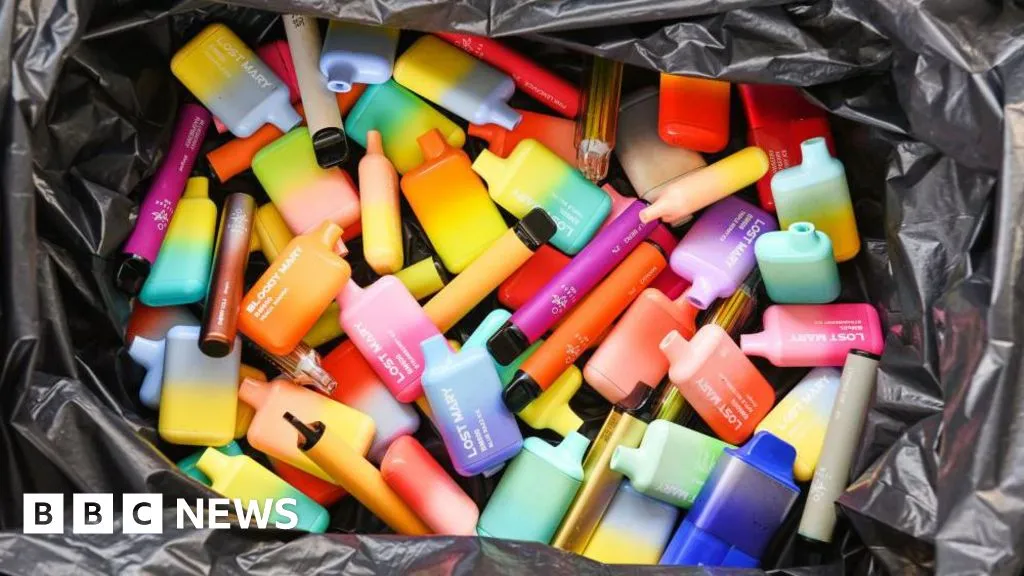
In a bid to combat the rising tide of e-waste associated with vaping, waste management companies are advocating for a £5 deposit on vapes. This proposal seeks to enhance recycling rates and reduce littering, igniting a debate within the industry as some vaping companies express concern about potential unintended consequences.
The call for a refundable deposit comes from the Environmental Services Association (ESA), which argues that despite last year’s ban on disposable vapes, improper disposal remains a significant issue. Many vapes continue to be discarded irresponsibly, posing fire hazards and preventing effective recycling of valuable materials.
Industry Perspectives
“Every week, operators across the waste sector see hundreds of thousands of discarded vapes mixed in with other waste,” noted Patrick Brighty, head of recycling policy at ESA. “These items not only contribute to environmental degradation but also waste precious materials that should be recycled.”
Under the ESA's proposal, consumers would pay a £5 deposit when purchasing a vape, which would be refunded upon the device's safe return to designated recycling facilities or retailers. While the idea is pitched as a fair and cost-neutral solution, it faces opposition from sections of the vaping industry.
Marcus Saxton, chairman of the Independent British Vape Trade Association, raised concerns that such a scheme could drive customers toward illicit vendors who skirt legal obligations: “Those retailers that aren’t abiding by their legal obligation won’t implement this, and consumers may ultimately opt for those options, leading to a larger crisis.”
A Declining Yet Persistent Problem
The Local Government Association (LGA) reports a decline in the number of vapes disposed of since the ban, dropping from 8.2 million to approximately 6 million per week. However, the continued presence of vapes in waste facilities highlights a gap in effective regulation.
“Although the overall volume has decreased, the industry has rapidly adapted, and we need to focus on enforcement to close existing loopholes,” stated Dr. Wendy Taylor, chairwoman of the LGA’s health and wellbeing committee. “The products contributing to the fires in our bin lorries today are essentially the same disposables repackaged.”
Looking Forward
As the government responds to the ongoing waste crisis, Environment Secretary Emma Reynolds reiterated that decisive action has been taken regarding disposable vapes. The Department for Environment, Food and Rural Affairs, however, did not directly address the deposit proposal but highlighted a commitment to enhancing accountability among retailers regarding vape recycling.
The conversation surrounding vape deposits continues to evolve, as stakeholders from both waste management and the vaping industry navigate the complexities of balancing environmental responsibility with market dynamics.
Source: BBC News
Source: BBC News - Business